There are stretches of US-93 in southern Nevada where the land looks half asleep, all pale dirt and blue distance, and then, almost absurdly, water appears. Ash Springs and Crystal Springs are part of that small miracle, two clear-water stops in the Pahranagat Valley near Alamo that roadtrippers and bird watchers tend to mention in the same breath.
Still, they are not the same place, and that matters more than you might think. If you are planning one of those long Nevada days with a hot spring stop, a refuge detour, and maybe a swing toward the Extraterrestrial highway, it helps to know what is scenic, what is historical, and what is closed.
Area 51 Spring Break Trip 2026 – Ash Springs, Nevada. https://technowanderer.com/?p=8316 Adventures of Thomas and Cian, April 17, 2026. https://technotink.net/adventures/ No use of photos or media without permission (c) 2026 Thomas Baurley, Techno Tink media www.technotink.com. All rights reserved.
What Ash Springs and Crystal Springs are really like before you go
At a glance, both names sound interchangeable, as if they were two doors to the same desert pool. They are not. Ash Springs is the one most travelers picture when they talk about soaking, warm, clear water, reeds, shade, and that improbable oasis mood that makes the Mojave seem briefly tender. Crystal Springs is more tied to the larger spring system, old travel routes, and local history.
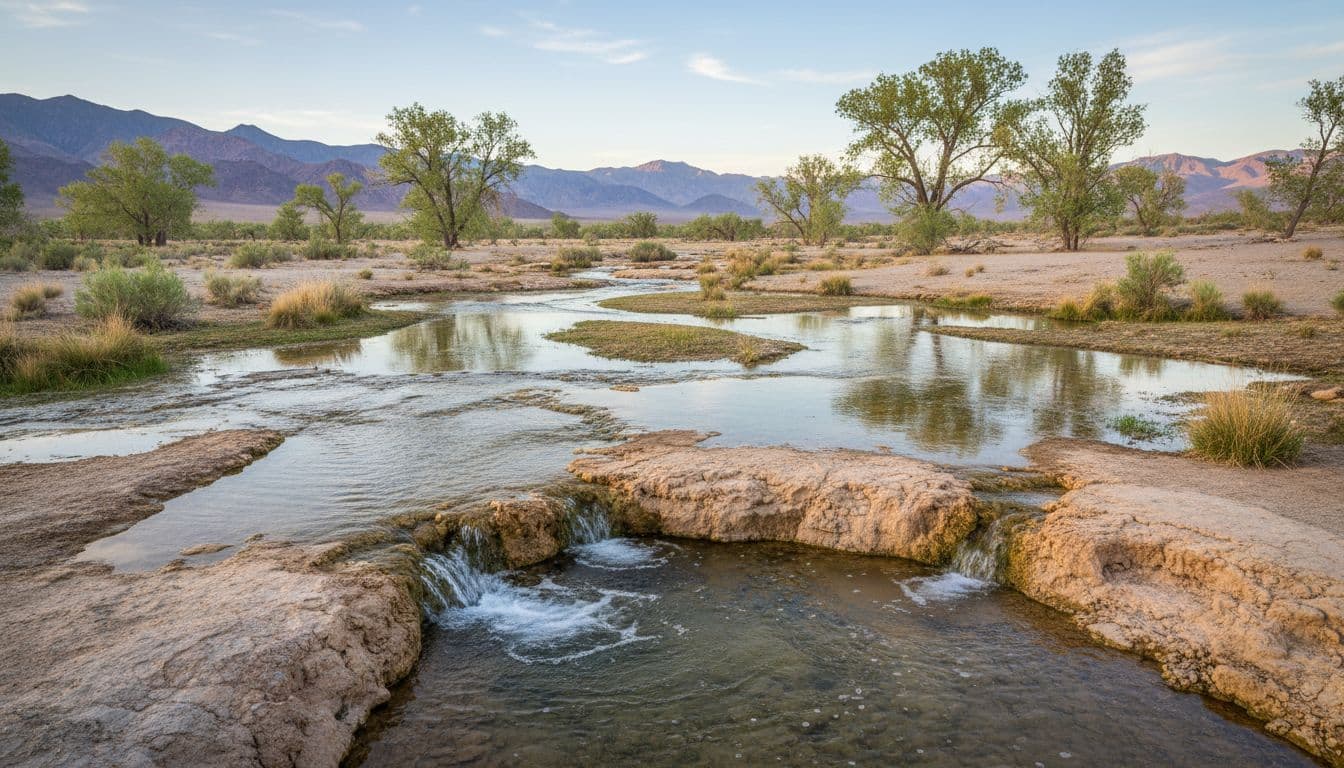
That setting is a large part of the charm. The Pahranagat Valley has a way of surprising you, because the basin looks spare from the highway, yet pockets of green collect around the water like a secret kept in plain sight. For people who love odd, memorable road stops, this is classic Nevada: dry hills all around, then a patch of life where birds gather and steam may rise in cool weather.
If you are pairing the area with a bigger driving loop, this stretch also fits neatly into Nevada road trips and geological wonders. The springs add a softer note to a state often sold on rock, sky, and mileage.
Ash Springs, a desert soak with clear water and a wild feel
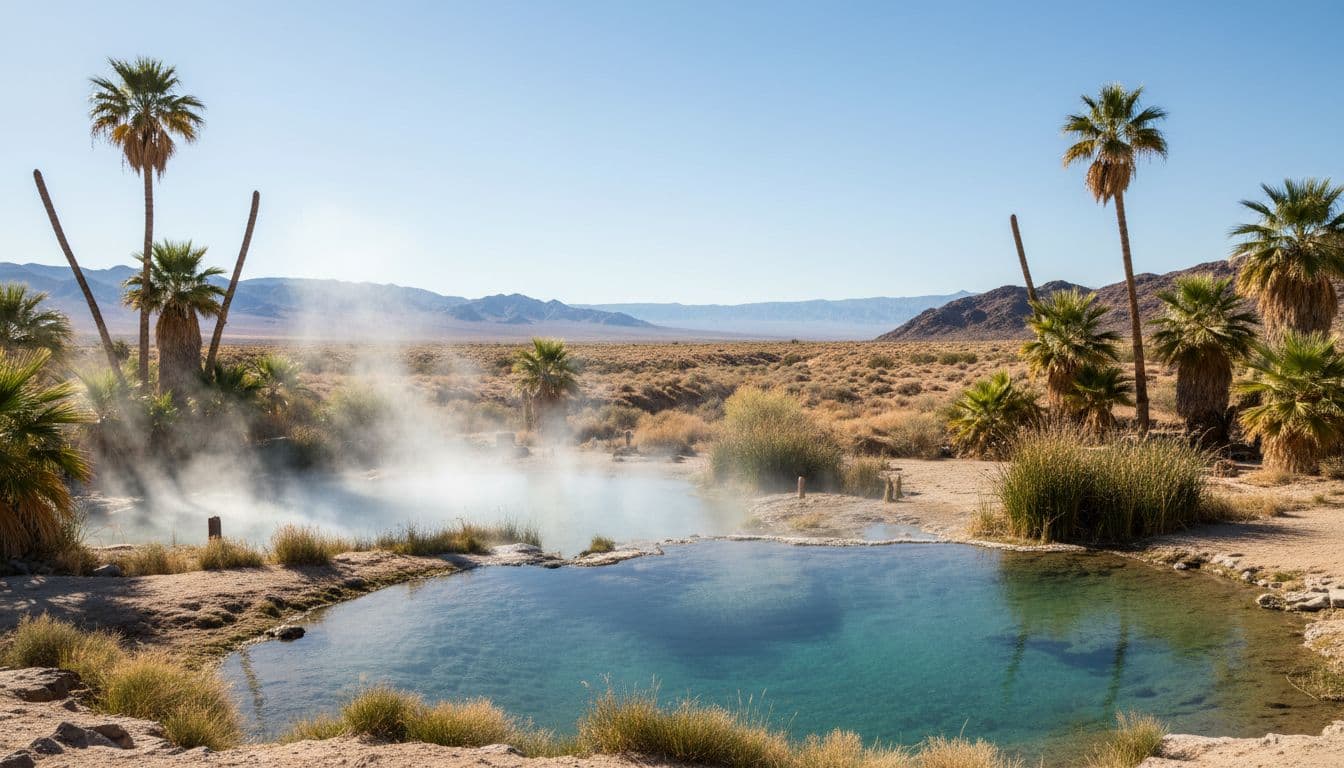
Ash Springs built its reputation on the water itself. The spring-fed pools are generally described in the mid-90s Fahrenheit, warm enough to feel inviting without the fierce heat some hot springs carry. When people remember it fondly, they usually talk about the clarity first, then the setting: reeds, palms or palm-like greenery, and a half-wild look that felt more discovered than designed.
That wild feel is part of why the place stayed in travelers’ memories. It never had the polished, brochure-friendly tone of a resort pool. Instead, it felt like a desert pocket where the rules of the surrounding country had briefly loosened. You came off the highway dusty and sun-struck, and there was water, clear as glass and faintly unreal.
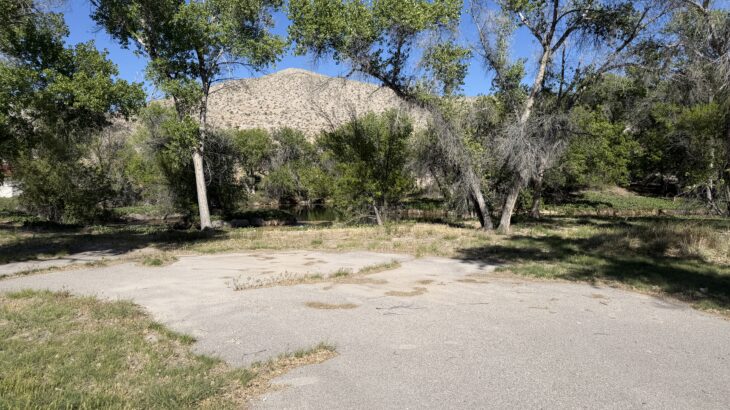
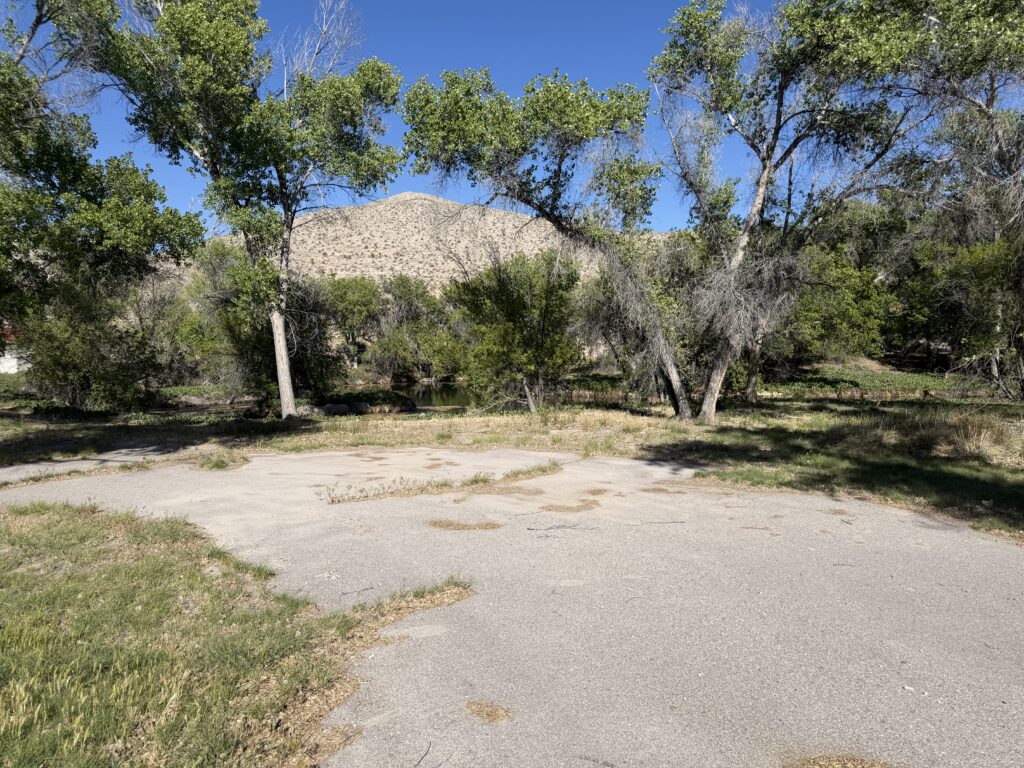
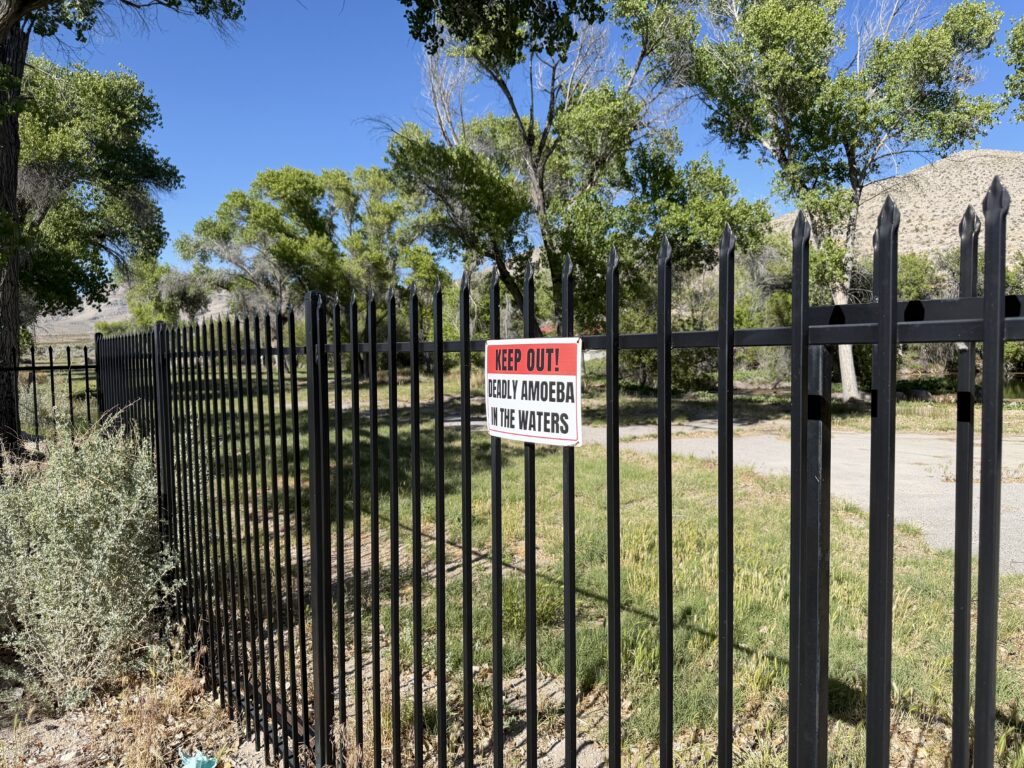
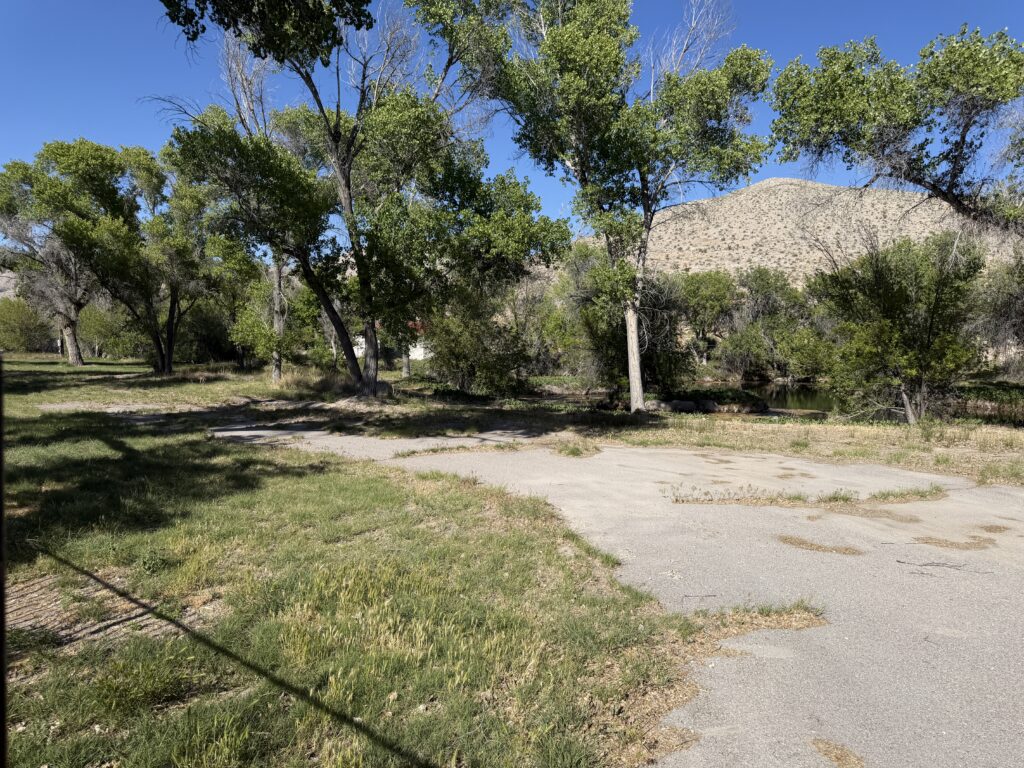
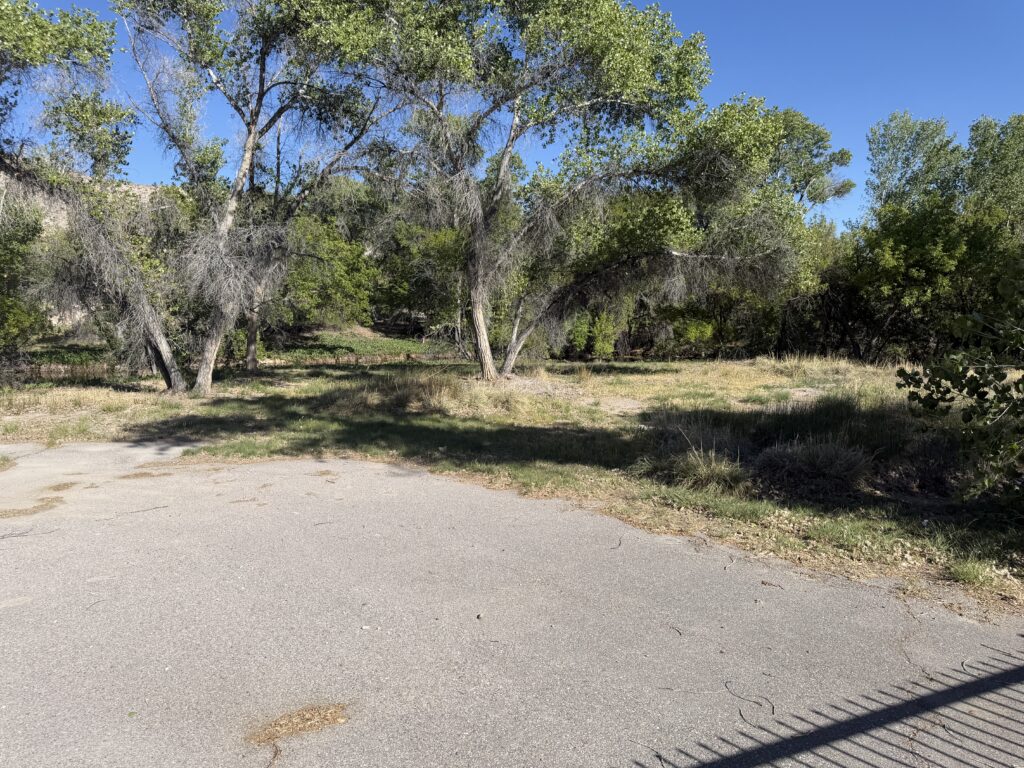
Access, however, is not what it once was. The older parking setup changed after the closure, so this is not a casual pull-up-and-soak stop anymore. If you are in the area, keep expectations flexible and pay attention to current conditions rather than old trip reports.
Crystal Springs, a historic spring area with a quieter reputation
Crystal Springs has a quieter identity. It is part of the wider spring landscape near Ash Springs, and it is better understood as a historic water area than as a famous soaking spot. The spring system fed camp use and travel in earlier periods, and Crystal Springs is often linked to an alternate Mormon Trail route as well as the early settlement story of Lincoln County. A basic Crystal Springs overview helps place it in that larger regional picture.
That older identity still shapes the feel of the place. Crystal Springs is less about the classic “desert soak” fantasy and more about seeing how water has always organized life here, from campsites and trail use to marsh habitat and ranch-era patterns. In that sense, it feels more reflective, almost like a footnote in the valley that turns out to be one of the main sentences.
The closure at Ash Springs, and what visitors should know now
The hardest part of writing about Ash Springs is that the place still carries the glow of an old favorite, but as of April 2026, it remains closed. The Bureau of Land Management closed the recreation site in 2013 over public safety concerns and environmental damage, and the closure was later extended, as detailed in the Federal Register notice on Ash Springs. Current web information also points to the site still being closed.
That can feel confusing on the ground, because desert places do not always announce themselves with theatrical clarity. Fences, changed pullouts, worn social paths, and old online advice can create the false sense that maybe the rules are fuzzy. They are not fuzzy enough to ignore.
Ash Springs is a place to approach with respect, not entitlement.
Area 51 Spring Break Trip 2026 – Ash Springs, Nevada. https://technowanderer.com/?p=8316 Adventures of Thomas and Cian, April 17, 2026. https://technotink.net/adventures/ No use of photos or media without permission (c) 2026 Thomas Baurley, Techno Tink media www.technotink.com. All rights reserved.
Why was Ash Springs closed in the first place?
The reported reasons were twofold: public safety and environmental damage. Heavy use in a fragile spring area can scar vegetation, widen parking areas, add trash, and harm sensitive habitat. In a desert spring, even small damage can linger for years because the whole oasis depends on a narrow band of water and plant life.
Safety was also a real issue. Warm natural water, uneven footing, and unmanaged recreation areas can carry risks that are easy to shrug off until something goes wrong.
How to visit responsibly if you stop in the area
If you pass through, treat the area as a delicate place first and a photo stop second. Respect barriers and posted signs. Do not create new parking pullouts, and do not trample vegetation to reach a better angle. Pack out every bit of trash, even the irritating little scraps that somehow appear in desert gravel like confetti after a bad parade.
It also helps to have a backup plan. Nearby Pahranagat Wildlife Refuge offers a far more reliable stop, and it scratches some of the same itch, water, birds, green edges, and the pleasure of stepping out into a landscape that feels more alive than the map suggested.
Amoeba concerns, water safety, and common-sense hot springs precautions
This topic deserves plain language. Recent reporting does show a confirmed 2023 Naegleria fowleri case linked to exposure at Ash Springs, so it would be wrong to treat amoeba worries as a rumor. At the same time, panic is not useful. Warm freshwater can carry risk, and that risk rises when water enters the nose.
Nevada public health guidance explains that Naegleria fowleri can occur in warm fresh water, including lakes, rivers, and hot springs. The amoeba infects people when contaminated water goes up the nose, not when water touches skin or is swallowed.
What is known about Naegleria fowleri at these Nevada springs
For Ash Springs, there is recent reporting of a fatal infection associated with a visit there in 2023, covered by CBS News reporting on the Ash Springs case. That changes the picture. Readers should assume the risk is real enough to take seriously.
For Crystal Springs, the available source material here did not show a specific current advisory or confirmed detection tied to that site. Still, the absence of a report does not mean zero risk in warm freshwater. Conditions change, and official guidance matters more than folklore.
Simple safety habits for soaking or wading in spring water
If you are around warm spring water anywhere in Nevada, use plain common sense. Avoid getting water up your nose. Do not dunk your head, jump in, or stir sediment in shallow warm areas. Children need closer supervision because they are more likely to splash and submerge.
Stay out if you have open cuts or a weak immune system, and rinse off after soaking if you can. Most of all, check current local or state guidance before you go. Old habits from old hot spring trips are not a safety plan.
Pair your stop with Pahranagat National Wildlife Refuge and the Extraterrestrial Highway
This is where the region opens up. Even if Ash Springs itself is closed, the valley is still worth your time, because Pahranagat National Wildlife Refuge is only minutes away, and the route toward SR 375 is close enough to make the whole area feel stitched together by one long, beautiful drive.
Why bird watchers should make time for Pahranagat National Wildlife Refuge
Pahranagat is one of those places that looks modest on a map and then keeps handing you sightings. The refuge sits on the Pacific Flyway, and the mix of lakes, marshes, meadows, and desert edge attracts a long list of species. Spring and fall migration are especially lively. You might see ducks, herons, ibis, hawks, warblers, and meadow birds in the same visit, depending on season and luck.
The official U.S. Fish and Wildlife refuge page is useful for current conditions and birding basics. On the ground, the refuge is friendly to casual travelers, too, because you do not need to be a hard-core birder with heroic optics. Roads, short walks, and simple viewing areas make it easy to stop, scan, and linger.
How these springs fit into an Area 51 and Extraterrestrial Highway road trip
A common route is simple. You leave Las Vegas on US-93, cross the broad dry country northward, pause in the Pahranagat Valley near Ash Springs or Crystal Springs, then angle west toward SR 375 for the alien-sign, open-sky theater of the Extraterrestrial Highway. The springs are roughly 40 to 50 miles east of that corridor, close enough to pair in one relaxed day if you start early.
That combination works because the stops contrast so nicely. One part of the day is birds and reeds. Another is empty pavement and Area 51 folklore. Nevada likes this sort of mismatch. It wears it well.
Ash Springs and Crystal Springs are worth knowing because they offer more than a pin on a map. They bring together the odd grace of a desert oasis, the messier truth of closure and safety, and the pleasure of a route that keeps changing its mood as you drive.
If you go, go with a little patience and a little humility. This corner of Nevada is still one of the better road stops in the state, not because it is easy, but because it mixes history, water, wildlife, and wide-open country in one memorable stretch.